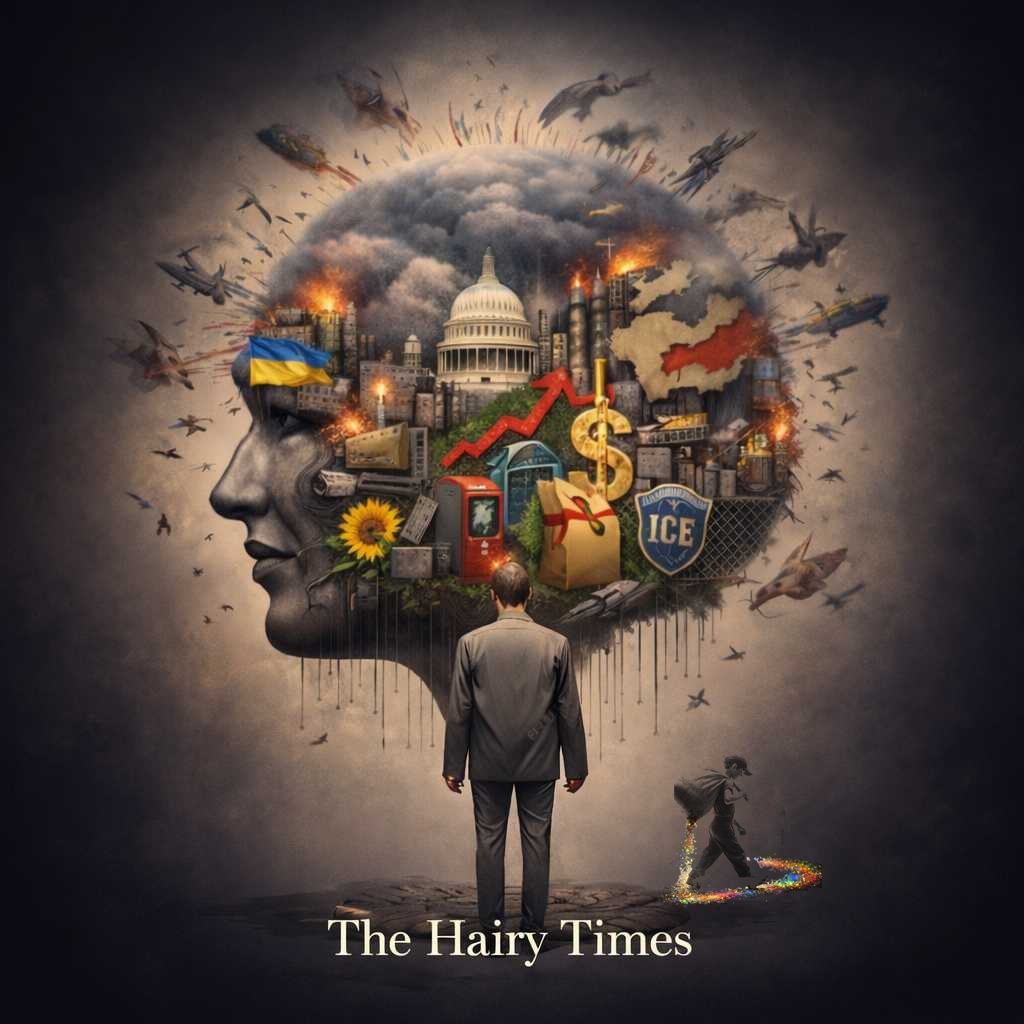

There’s a question Americans keep asking themselves in whispered conversations at kitchen tables and in late-night phone calls with old friends: When did we as a Nation become so filled with anger, hate and Cruel?
Not all of us. Not even most of us. But enough of us—or rather, enough of those who wield power in our name—that the question has weight.
The answer isn’t complicated, though it is uncomfortable. We became cruel when cruelty became policy. When meanness was rewarded with television appearances and retweets. When leaders discovered that anger is easier to sell than hope, and that fear keeps people watching.
The Numbers Don’t Lie, But Neither Do the Stories
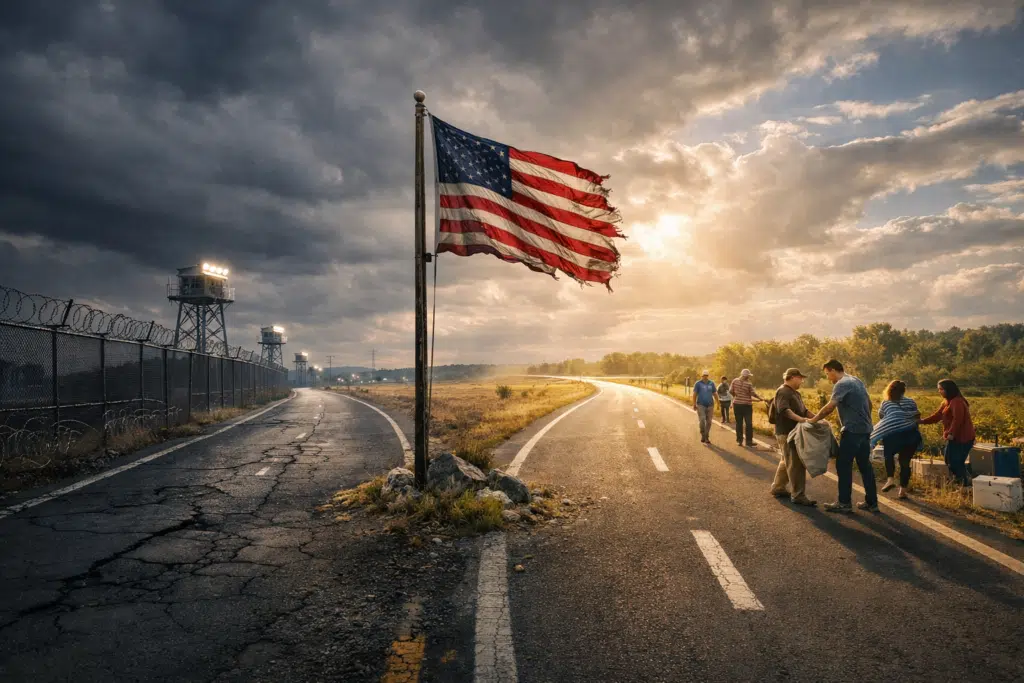
Walk into any community devastated by hurricane or wildfire, and you’ll find something remarkable: Americans from every background, every political stripe, every demographic box on a census form, helping each other. They don’t check voter registration before pulling someone from floodwaters. They don’t ask for documentation before handing out bottled water.
This is the America that still exists. The one that shows up.
But turn your attention to an ICE detention facility in Montana—brilliantly documented by The New Yorker’s Jonathan Blitzer and journalist Paola Ramos—and you’ll find a different America. One where people in positions of authority have been given permission, tacit or explicit, to treat other human beings with calculated cruelty. With this administration – Cruelty is the Point
These aren’t rogue actors. They’re following a script that’s been written, revised, and amplified by those at the very top. The cruelty isn’t a bug in the system. It’s become a feature.
What Happened to These People?
It’s tempting to write off those who administer these policies as somehow fundamentally different from the rest of us. Monsters are easier to categorize than neighbors.
But here’s the harder truth: most of them were probably once like most of us. Then they were placed in systems that rewarded dehumanization. They were told, implicitly or explicitly, that certain people don’t count. They absorbed a message from leadership that certain cruelties serve a greater good—or at least, serve the political interests of those in power.
This is what happens when leaders model hatred as strength. When they frame compassion as weakness. When they reduce complex human migration—driven by violence, poverty, and climate disaster—to an invasion narrative designed to terrify suburban voters.
People take their cues from power. Always have. Always will.
The Immigration Bill We Didn’t Get
Want evidence that the cruelty is performative rather than problem-solving? Look no further than February 2024.
Senator James Lankford, a conservative Republican from Oklahoma, negotiated a bipartisan immigration bill that included significant border security measures—many that Republicans had demanded for years. It wasn’t perfect, but it was real policy, crafted through actual negotiation, designed to address actual problems.
Then Donald Trump made a series of calls. He didn’t want Democrats—or President Biden—to claim a win on immigration before the election. So he told Republicans to kill it. And they did.
Read that again. A solution was on the table. It was rejected not because it wouldn’t work, but because it might work, and the wrong people would get credit.
This is not governance. This is nihilism dressed in a flag pin.
The cruelty of our current immigration system isn’t fixing anything. It’s not making communities safer. It’s not addressing root causes. It’s not even particularly effective at its stated aims. What it does accomplish is sending a message: we are willing to be harsh. We are willing to separate families, detain children, and create human suffering—not as a regrettable necessity, but as a demonstration of power.
It weighs heavy on all of us, whether we admit it or not. A nation’s character isn’t determined by its rhetoric but by how it treats the powerless.
The Call We Must Answer
Here’s what I’ve learned covering politics for longer than I care to count: America has always been two countries at once. The one that builds the Statue of Liberty and the one that passes the Chinese Exclusion Act. The one that writes “all men are created equal” and the one that builds systems of bondage and exclusion.
We’ve always been in tension with ourselves. The question has never been whether we’re perfect—we’re not, and we never have been. The question is which version of ourselves we choose to nurture.
Right now, the worst angels of our nature are getting airtime, resources, and institutional backing. But the best angels haven’t left the building. They’re the ones showing up to disaster zones. They’re the ones running food banks and coaching little league and checking on elderly neighbors. They’re exhausted, often, and discouraged. But they’re still here.
What We Do Next
First, we remember. We are a nation built by people fleeing something and seeking something better. Every single one of us—unless you can trace your ancestry back tens of thousands of years on this continent—comes from someone who arrived hoping for mercy, for opportunity, for a chance.
Second, we reject the notion that cruelty is strength. It isn’t. It never has been. Cruelty is what weak people do when they’re afraid.
Third, we demand better from our leaders and from ourselves. We vote, yes. But we also speak up in our communities, push back against dehumanizing rhetoric wherever we encounter it, and refuse to let anger and fear make our decisions.
The helpers still outnumber the haters. But the helpers need to be louder, more organized, and more insistent that this version of America—the one that treats cruelty as policy—is not who we are.
We’ve been better. We can be better again.
But only if we choose it. And only if we start now.
Andrew

Leave a Reply
You must be logged in to post a comment.