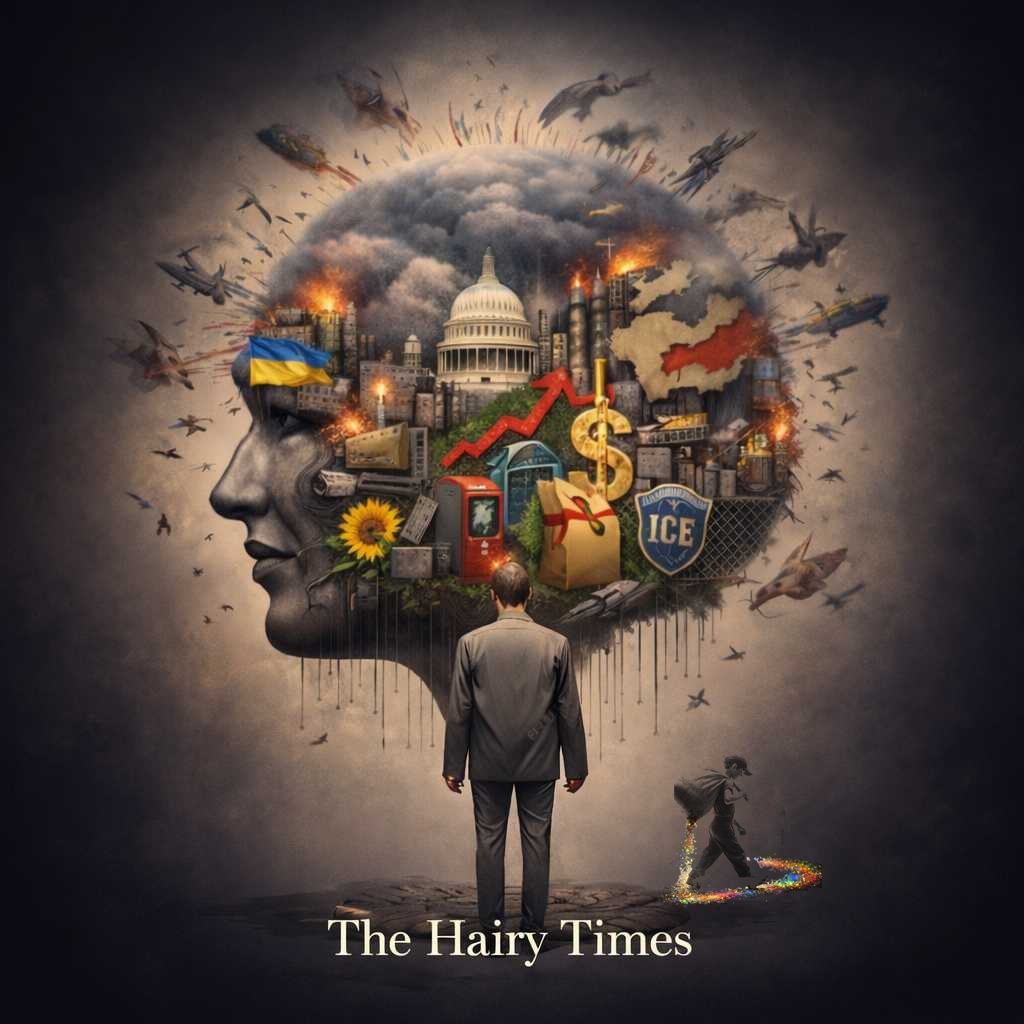

America was always great — but have we forgotten what made it so? There’s a phrase that’s been rattling around our politics for nearly a decade now, and it rests on a flawed premise: that America's greatness is something we lost and need to reclaim. The truth is simpler and harder to swallow — America was always great, but we've been lousy stewards of that inheritance.
Greatness isn't measured in how loudly you beat your chest or how many competitors you elbow aside. It's measured in what you build, who you lift, and whether your word still means something when the cameras turn off. By those standards, we've been backsliding.
America Was Always Great Because We Led, Not Bullied
After World War II, America didn't dominate the world through force alone — though we had the means. We built institutions: NATO, the Marshall Plan, USAID, the United Nations. We invested in rebuilding former enemies. We created frameworks for cooperation because we understood something fundamental: isolated empires crumble, but connected alliances endure.
That wasn't charity. It was enlightened self-interest. When Europe rebuilt, they bought American goods. When democracies took root, they became trading partners. When we led international efforts to combat disease and poverty through USAID — which has operated in over 100 countries since 1961 — we created stability that benefited everyone, including us.
The "America First" posture of recent years isn't strength. It's a toddler's tantrum dressed in a flag pin. Walk away from allies, and you walk alone. Insult trading partners, and they find other markets. Pull out of international agreements, and other powers fill the vacuum. China doesn't need to fire a shot if we surrender influence voluntarily.
The Corruption We Tolerate
We are facing more than policy disagreements. We're watching a stress test of whether truth still matters in American public life.
Consider: Since 2016, we've seen presidents refuse to divest from businesses, family members awarded White House positions despite no relevant experience, cabinet members using public funds for private travel, and elected officials trading stocks on classified briefings. The Government Accountability Office, the Congressional Research Service, inspectors general — the very mechanisms designed to check corruption — have been ignored, defunded, or had their findings dismissed as partisan.
This isn't about left versus right. Corruption wears both jerseys. But the volume has increased, and our tolerance has somehow risen with it. When scandal becomes background noise, we've already lost something vital.
The radicals — and let's be clear, they exist on both flanks — share a common feature: they put people into categories and themselves above accountability. The radical left wants to tear down institutions without workable replacements. The radical right wants to preserve power without democratic legitimacy. Both traffic in conspiracy theories. Both prefer purity tests to coalition-building.
The vast majority of Americans don't live in these extremes. We live in the boring middle, trying to pay rent, raise kids, and not get bankrupted by medical bills. But we've let the loudest voices hijack the conversation.
What America Actually Stands For
Poll after poll shows Americans support the basics: treating people decently, respecting the law, keeping religion in houses of worship and not in public policy. A 2023 Pew Research study found 79% of Americans believe religion should be kept separate from government policies. We've always been a nation of believers — and non-believers — and the genius was keeping the government neutral so everyone could practice freely.
The rule of law matters. Not because laws are perfect — they're often not — but because the alternative is rule by whoever holds power. When presidents claim absolute immunity, when congresspeople ignore subpoenas, when law enforcement answers to personal loyalty instead of constitutional duty, we slide toward something we won't recognize.
The Crisis That Contains All Others
Yes, we face economic anxiety. Yes, healthcare costs are crushing families. Yes, climate change is already costing us billions in disaster relief. But these are symptoms of a deeper problem: our democracy is malfunctioning.
When wealthy donors can outspend citizens a thousand to one, democracy bends toward plutocracy. When gerrymandering allows politicians to choose their voters instead of the reverse, representation becomes fiction. When disinformation spreads faster than fact-checking can contain it, informed consent — the bedrock of democracy — erodes.
According to Freedom House's 2023 report, the United States scored 83 out of 100 on global freedom — down from 94 in 2010. We're still ahead of most of the world, but the trajectory should alarm anyone paying attention. We're declining not because of external threats, but internal rot.
What Civic Involvement Looks Like
Saying "get involved" is easy. Doing it is harder, especially when people work multiple jobs and barely have time to breathe. But involvement doesn't require heroics.
It means voting in local elections, not just presidential ones — your school board and county commission shape daily life more than Washington does. It means calling out corruption when you see it, regardless of which party benefits. It means supporting journalism — subscriptions, not just clicks — because a functioning press is democracy's immune system.
It means uncomfortable conversations with people who see the world differently. Not Twitter battles — actual conversations, where you listen with the possibility your mind might change.
The Question Before Us: Reclaim American Greatness
Can a self-governing people still govern themselves when half the information they receive is designed to enrage rather than inform? When institutions meant to check power are captured by it? When exhaustion makes apathy feel rational?
America was always great not because we were perfect, but because we tried to improve. We expanded voting rights. We built safety nets. We led without dominating. We stumbled constantly, committed terrible injustices, but the trajectory bent — however slowly — toward more justice, not less.
The test now is whether we remember that trajectory and choose to continue it, or whether we're content to coast on the fumes of past accomplishments while calling it greatness.
The world still needs America — not as an empire, but as a partner. Not as a bully, but as a beacon. We were always great when we remembered that distinction.
The question is whether we still do.

Leave a Reply
You must be logged in to post a comment.