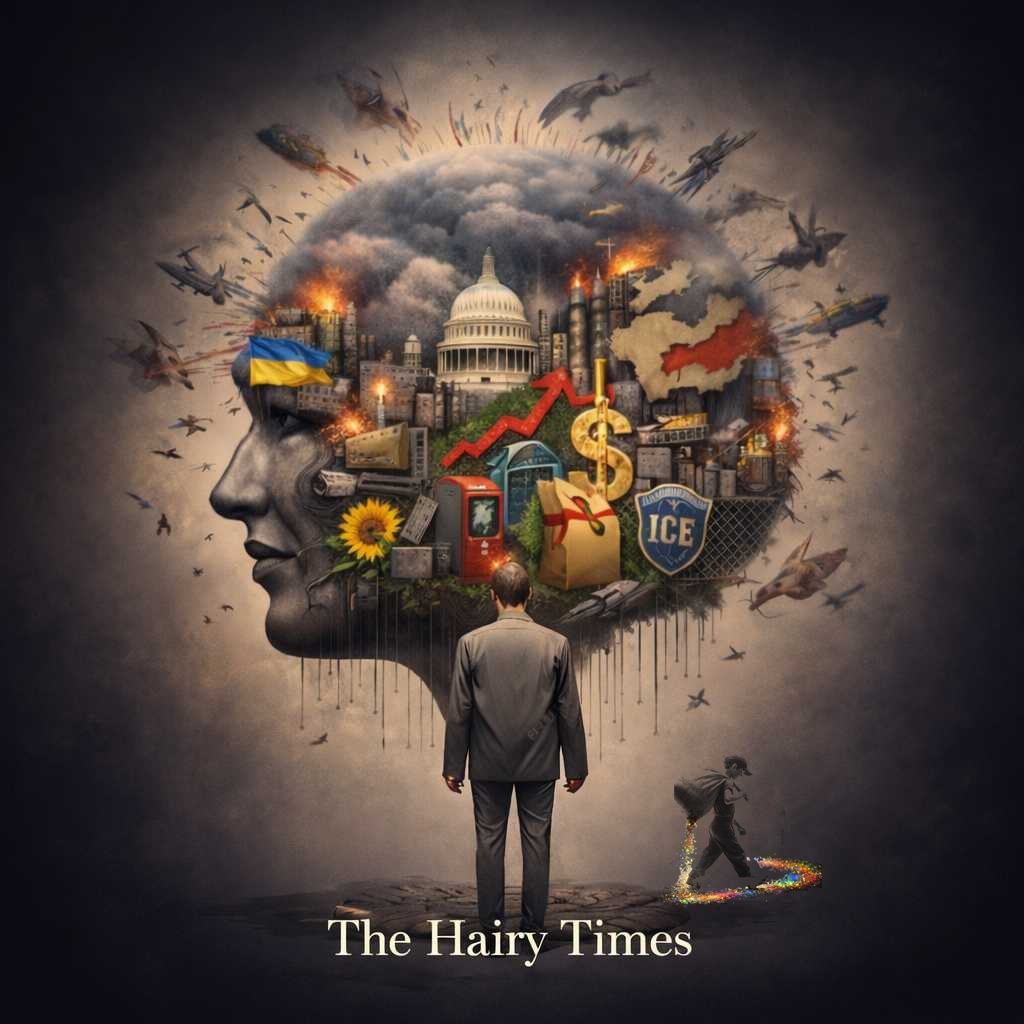

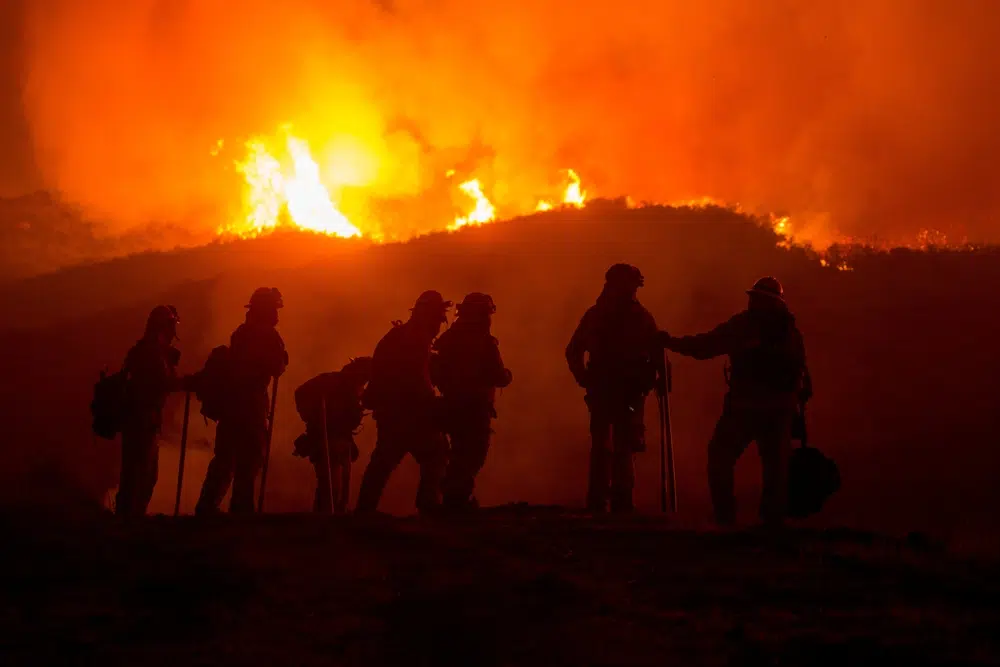
The LA fire started on January 7th. By January 11th, it had consumed over 40,000 acres and destroyed more than 12,000 structures. Four days. But here’s the footnote no one’s talking about: January isn’t supposed to be fire season. We made wildfire season permanent, and the data says it wasn’t an accident.
Welcome to the new calendar, where fire season now runs from January through December—a twelve-month subscription no one requested but everyone’s paying for.
The USGS doesn’t mince words in their latest analysis, though you have to dig past the executive summary to find it. Since 1984, wildfire season across the western United States has expanded by 105 days. That’s not a typo. We’ve added three and a half months of burn time in forty years. The agency’s models project that by mid-century, the area burned annually could increase by up to 600 percent in some regions. The word they use in the technical literature is “unprecedented.” The word they should use is “predictable.”
Because here’s what the data shows when you line it up: every 1.8°F increase in average temperature correlates with a doubling of area burned. We’ve already warmed by about 2°F globally since pre-industrial times—slightly more in the western US. Do the math. The fires aren’t getting worse because we’re unlucky. They’re getting worse because we made them worse.
The Super El Niño Question
Then there’s the El Niño variable—specifically, what climate scientists are now calling “super” El Niño events. These aren’t your grandfather’s weather patterns. Traditional El Niño conditions bring wetter winters to Southern California and drier conditions to the Pacific Northwest. But throw climate change into the mix, and the models start behaving like they’ve had too much coffee.
Research from Yale’s School of the Environment maps it out clearly: a warming world doesn’t just mean hotter temperatures. It means longer droughts in already-dry regions, atmospheric rivers dumping record precipitation in compressed timeframes (hello, vegetation growth), followed by extended dry periods that turn all that new growth into kindling. It’s a one-two punch written in the language of basic physics, and we’re pretending we don’t understand the grammar.
A super El Niño—intensified by baseline warming—can create what one USGS researcher called “whiplash conditions.” Wet enough to grow fuel, dry enough to cure it, hot enough to ignite it, and windy enough to spread it faster than communities can evacuate. The LA fires hit all four marks. So did the 2023 Canadian fires that sent smoke plumes as far south as New York City and as far east as Europe.
The Canadian Footnote
Speaking of Canada: 2023 was their worst fire season on record. Over 18 million hectares burned—an area larger than Greece. CBS News documented the smoke traveling 3,000 miles, turning New York’s sky the color of a sepia photograph and sending air quality indices into hazardous territory for weeks. But here’s the part that should terrify you: Canadian officials noted that fires were igniting in regions previously considered “too wet to burn”—boreal forests that historically acted as carbon sinks, now releasing decades of stored carbon back into the atmosphere.
And if you think that was a one‑off, look at this year. More than 100 wildfires are burning across Canada right now, with smoke pouring into the Upper Midwest and Northeast, degrading air quality for millions . Roughly 3,500 fires have already scorched 2.3 million acres, a pace that matches Canada’s 10‑year average by mid‑July and sits just below the five‑year average—an average inflated by recent extreme seasons . Fire seasons are starting earlier, lasting longer, and becoming harder to contain, with some blazes smoldering through winter as so‑called “zombie fires”—a phenomenon the Canadian Climate Institute directly links to climate‑driven extremes .
It’s a feedback loop written in fire. Warming temperatures dry out forests. Dry forests burn. Burning forests release carbon. Released carbon accelerates warming. Repeat. The only thing missing is the executive who profits from the cycle appearing on cable news to tell us everything’s fine.
The Human Impact
Maria Rodriguez evacuated her Altadena home at 3:17 AM on January 8th with fifteen minutes’ warning, two children, one dog, and a photograph album. She’s not real—but she represents 180,000 real people forced to flee LA-area fires in a span of 72 hours—real proof that we made wildfire season permanent for people, not just statistics. In a January heat wave. In what used to be winter.
The particulate matter from wildfire smoke—PM 2.5—penetrates deep into lung tissue and crosses the blood-brain barrier. Studies link it to everything from asthma attacks to cognitive decline. When Canadian smoke blanketed the eastern US in 2023, emergency room visits spiked 37 percent in some cities. The people who suffered weren’t near the fires. They were 2,000 miles away, breathing someone else’s disaster.
This is the part where scale becomes personal. We’re not talking about environmental abstracts. We’re talking about children with inhalers, elderly neighbors with COPD, pregnant women advised to stay indoors for weeks, and entire communities losing their history to flames that burn hot enough to vaporize metal.
What the Models Say
Yale researchers used multiple climate models to map future wildfire risk. Essentially, they charted how we made wildfire season permanent and where it goes from here. The projections are color-coded—green for low risk, red for extreme. By 2050, under our current emissions trajectory, the map looks like it’s bleeding. High-risk zones expand across the western US, the Amazon, Australia, and the Mediterranean. The models account for variables: precipitation, temperature, humidity, wind patterns, vegetation types. What they can’t account for is political will.
Because here’s the thing about reversible trends: they require reversal. We’ve done it before: the ozone layer is healing decades after global action addressed CFCs, so we made wildfire season permanent through inaction, not inevitability. Not pledges. Not aspirational goals with target dates conveniently set after current politicians retire. Actual, measurable reductions in greenhouse gas emissions. Transition from fossil fuels to renewables. Investment in grid infrastructure that doesn’t spark fires when the wind blows. Controlled burns and forest management that don’t get defunded every budget cycle. Building codes that acknowledge we’re not living in the 1950s anymore.
The USGS data is clear: we’re in a period of “fire deficit”—decades of suppression created fuel loads beyond anything naturally sustainable. Climate change is now providing the ignition conditions at unprecedented frequency. It’s not an either-or. It’s a both-and we chose through inaction.
We Made Wildfire Season Permanent — Now What?
So here’s what no one’s asking in prime time: If we’ve known since the 1980s that wildfire season was expanding, known the temperature thresholds that create catastrophic conditions, known the feedback loops that turn manageable risk into civilizational threat—what, exactly, were we waiting for? Whose footnotes were too boring to read?
The truth is usually hiding in the footnotes. This time, it was hiding in plain sight. We made wildfire season permanent, and we just chose not to look until the sky turned orange.

Leave a Reply
You must be logged in to post a comment.