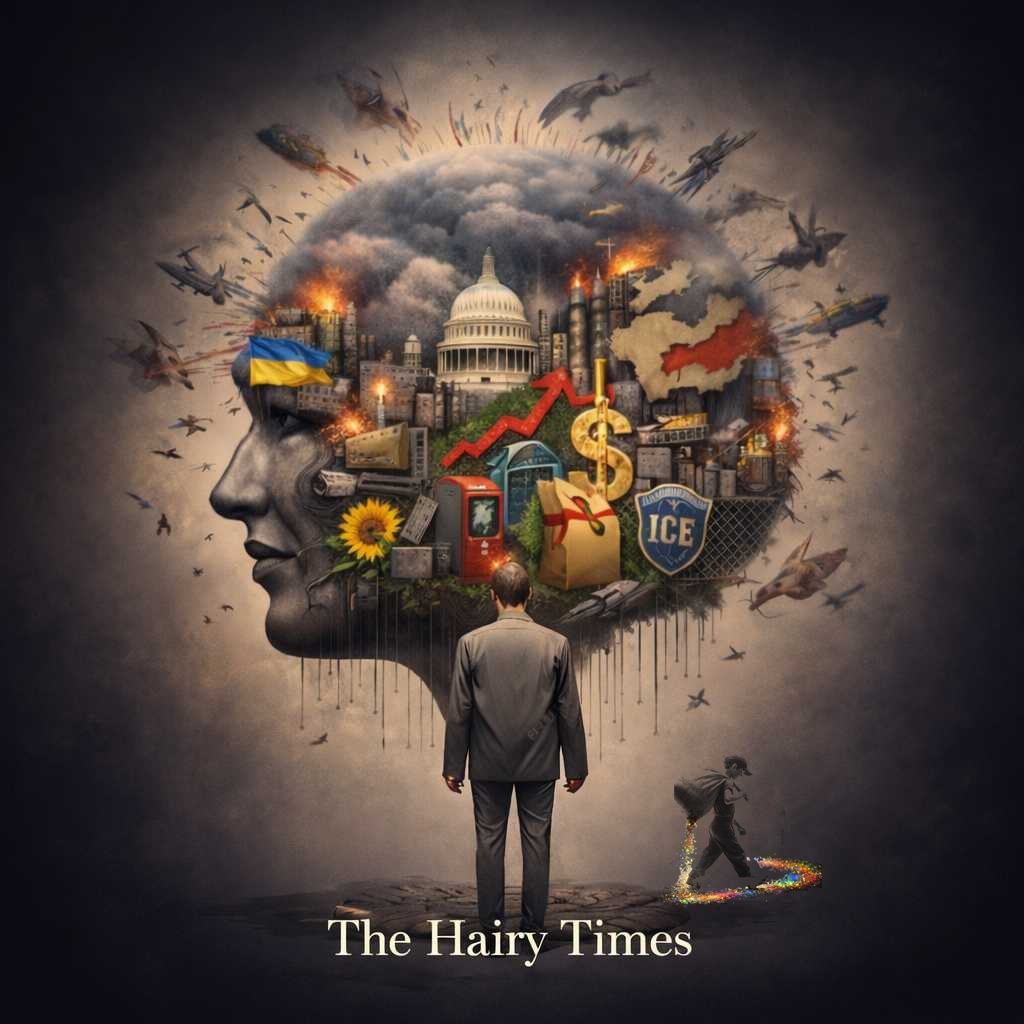


The Legal Wreckage of Executive Orders
At least 45 of these executive orders are currently in active litigation across federal courts. That’s not unprecedented—executive orders are frequently challenged—but the *breadth* of legal challenges tells us something. When everyone from state attorneys general to non-profit organizations to educational institutions simultaneously rushes to courthouses, you’re not dealing with routine policy disagreements. You’re dealing with constitutional overreach. The administration has lost or been blocked in court roughly two dozen times on executive order-related matters. Orders attempting to restructure civil service protections, eliminate diversity programs at federal contractors, and withdraw billions in allocated education funding have all met judicial resistance. Courts don’t block orders because they dislike a president. They block them because the orders exceed statutory authority or violate constitutional guarantees.Vagueness as Strategy: How Executive Orders Undermine Democracy
Here’s where it gets interesting: many of these orders are deliberately vague. They announce sweeping intentions—”restore merit-based hiring,” “eliminate waste,” “protect free speech”—without defining terms or establishing clear implementation mechanisms. This isn’t sloppy drafting. It’s strategic ambiguity.
Vague orders serve multiple purposes. They generate headlines that satisfy the base. They create maximum disruption in targeted institutions that must guess at compliance requirements. And crucially, they make legal challenges harder because courts struggle to assess harm from undefined policies.
Consider the executive order targeting federal funding to universities deemed insufficiently protective of “free speech.” Which speech? Measured how? By whom? The order doesn’t say. It simply threatens billions in research funding and student aid while leaving universities to scramble, lawyers to guess, and courts to untangle what, exactly, they’re being asked to review.
This isn’t sloppy drafting. It’s strategic ambiguity.
Vague orders serve multiple purposes. They generate headlines that satisfy the base. They create maximum disruption in targeted institutions that must guess at compliance requirements. And crucially, they make legal challenges harder because courts struggle to assess harm from undefined policies.
Consider the executive order targeting federal funding to universities deemed insufficiently protective of “free speech.” Which speech? Measured how? By whom? The order doesn’t say. It simply threatens billions in research funding and student aid while leaving universities to scramble, lawyers to guess, and courts to untangle what, exactly, they’re being asked to review.
The Taxpayer Tab
Defending these orders in court isn’t free. The Department of Justice deploys teams of attorneys to litigation across multiple jurisdictions. When the government loses, it often pays opposing counsel fees. States suing the federal government divert their own legal resources and taxpayer dollars to these fights. While precise figures for this administration’s executive order litigation costs aren’t publicly available—the government doesn’t itemize it so conveniently—legal experts estimate federal litigation costs in the tens of millions annually when executive orders face widespread challenge. Add state costs, and you’re likely looking at nine figures across multiple years. That’s your money. Spent defending presidential actions courts repeatedly rule illegal.Weaponization, Not Governance
The constitutional design is straightforward: Congress makes laws, the president executes them. Executive orders exist to direct federal agencies in implementing congressional mandates, not to create new law or punish perceived enemies. Yet we’ve seen orders clearly designed as punitive measures. Orders targeting specific law firms that have sued the administration. Orders threatening universities that permit student protests. Orders attempting to defund sanctuary cities without congressional authorization. This isn’t governance. It’s retaliation with a presidential seal.
The Framers specifically designed Congress as the law-making body because it’s deliberative, representative, and harder to capture for personal vendetta. When presidents circumvent that process, they’re not being efficient—they’re being autocratic.
This isn’t governance. It’s retaliation with a presidential seal.
The Framers specifically designed Congress as the law-making body because it’s deliberative, representative, and harder to capture for personal vendetta. When presidents circumvent that process, they’re not being efficient—they’re being autocratic.
The Dictator’s Toolkit
In Viktor Orbán’s Hungary, in Recep Erdoğan’s Turkey, in Vladimir Putin’s Russia, the executive decree has served as the primary tool for consolidating power. Democratic institutions don’t usually collapse overnight. They erode through the steady accumulation of executive actions that bypass legislative checks, ignore judicial restraint, and target dissenters. Executive orders can serve legitimate purposes in a democracy. But when a president issues them at this pace, with this vagueness, losing this often in court, and targeting critics this specifically, we’re watching something darker take shape.The Question Ahead for Democracy
Here’s what matters: Will Congress—of either party—reassert its constitutional authority? Will courts continue to serve as the last guardrail? Or will we normalize this pattern until the next president, and the one after, governs almost entirely by decree? Because once you’ve established that presidents can simply announce policies, dare the courts to stop them, and dismiss legislative input as obstruction, you haven’t made government more efficient. You’ve made democracy optional. And that’s a precedent no election can easily reverse. — *The Hairy Times stands by rigorous fact-checking. Readers seeking specific executive order texts can access them through the Federal Register at federalregister.gov. Court challenges are tracked through PACER and major legal databases.*Recommended Reading
Regime Change
by Maggie Haberman & Jonathan Swan
An inside look at the machinery reshaping Washington right now — essential reading for understanding how we got here.

Leave a Reply
You must be logged in to post a comment.