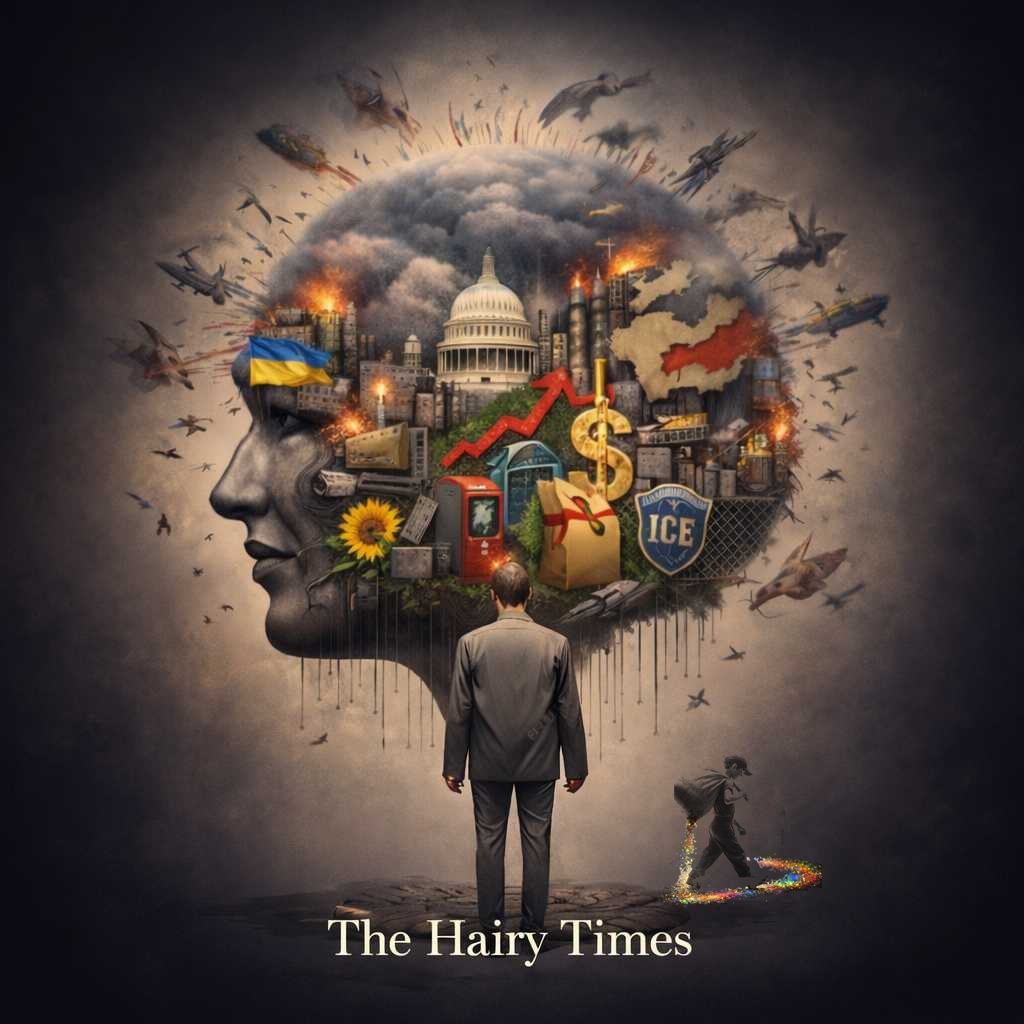

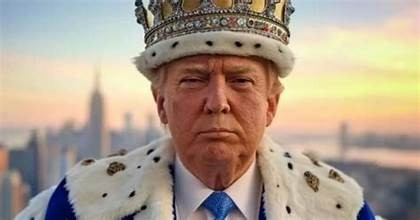
Rulers Command. Leaders Inspire. America Must Decide Which It Wants.
Trump executive overreach is redefining American democracy. A ruler commands. A leader inspires. The distinction matters now more than ever.
A ruler governs through decree. Authority flows downward, unquestioned. Compliance is demanded, not earned. Dissent becomes disloyalty. The ruler’s word is law — at least until a court intervenes. History shows that rulers suffocate creativity because creativity requires freedom: the freedom to question, to experiment, to fail. Under a ruler, failure is heresy. People stop solving problems and start avoiding punishment.
A leader operates differently. Leaders articulate a vision and build coalitions to achieve it. They persuade rather than impose. They collaborate, they listen, and they adjust when presented with better information. Leaders understand that lasting change requires buy‑in, not brute force. Their strength comes from the willing commitment of the people they serve.
That contrast has rarely been as stark as it is today.
Trump’s Executive Overreach: The Record
Since returning to office, Donald Trump has issued executive orders at a pace that would make any monarch envious. Many bypass Congress entirely. Several sidestep established administrative procedures. A significant number have been challenged in federal court — and many have been blocked or curtailed by judges appointed by presidents of both parties.
Legal scholars and civil rights organizations tracking these actions report a consistent pattern: aggressive orders, immediate lawsuits, frequent defeats. The administration’s response is equally consistent: issue more orders, appeal every loss, attack the judges, repeat.
This is not leadership. This is rule by exhaustion.
When Courts Push Back on Executive Overreach
Travel restrictions targeting specific nationalities — blocked. Attempts to withhold federal funding from sanctuary cities — ruled unconstitutional. Efforts to bypass environmental review processes — stayed by courts. The list grows monthly.
Defenders argue that the president is simply exercising Article II powers. But leadership isn’t measured by what you can do. It’s measured by what you should do — and how you do it.
A leader confronted with judicial setbacks asks: What did we miss? How do we achieve this goal within constitutional bounds? A ruler asks: How do we get around this obstacle?
Loyalty Tests Replace Leadership
The treatment of career civil servants reveals the same dynamic. Loyalty tests replace competence. Agencies are hollowed out, then criticized for dysfunction. Inspectors general — watchdogs designed to ensure accountability — are removed when their investigations become inconvenient. Innovation becomes dangerous; disagreement becomes career‑ending.
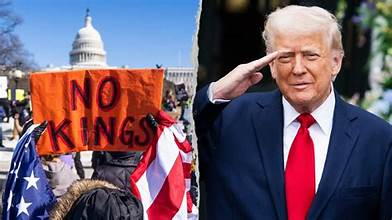 The Founders anticipated this temptation. They built a system intentionally resistant to would‑be rulers. Courts check executive power. Congress controls the purse. States retain sovereignty. The system is not efficient — democracies rarely are — but it is durable.
Trump’s governance model treats these safeguards as bugs to be exploited rather than features to be respected. Every circumvented norm, every ignored precedent, every attack on judicial independence nudges the country away from leadership and toward something more regal.
The question for Americans is not whether they support Trump’s policies. Reasonable people can debate policy. The question is whether they accept his methods. Because methods matter. The how shapes the what.
A nation governed by rulers eventually forgets how to lead itself.
So we return to the essential question: Do we want to be led — or do we want to be ruled?
The answer will define the country we inhabit tomorrow.
Choose accordingly. Act accordingly. Democracy depends on it.

Leave a Reply
You must be logged in to post a comment.